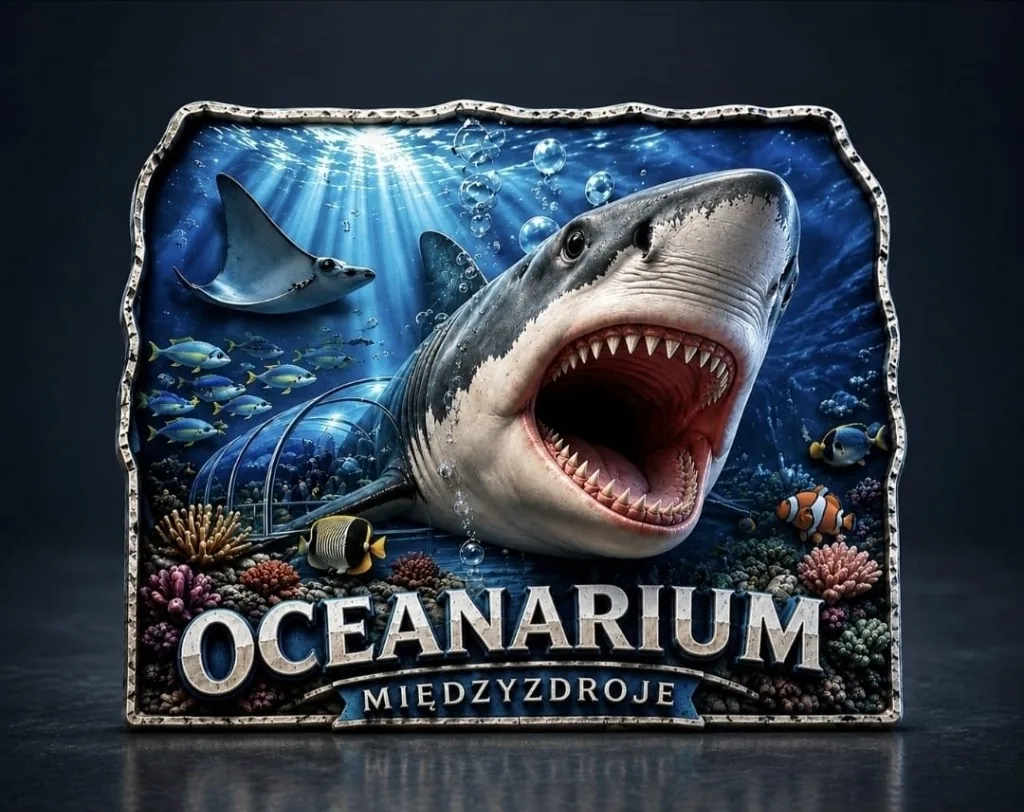
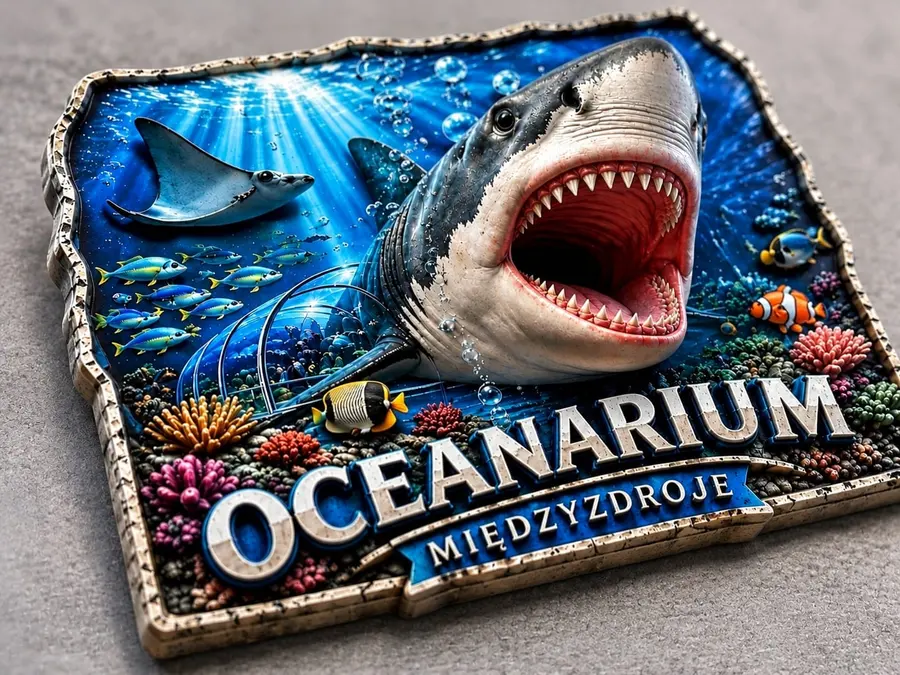
An underwater scene on a flat magnet
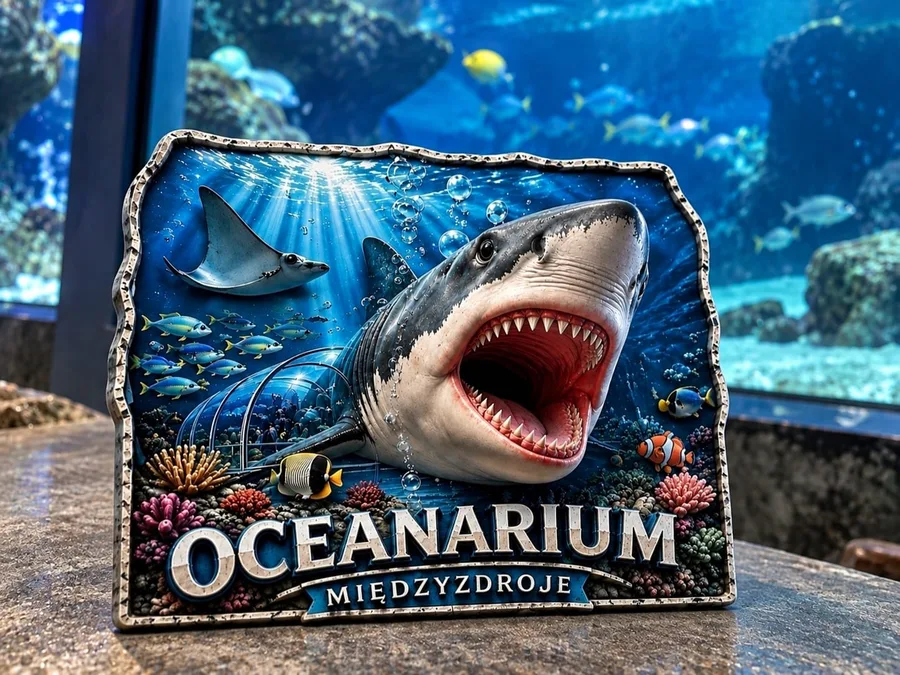
Colour that survives seaside conditions
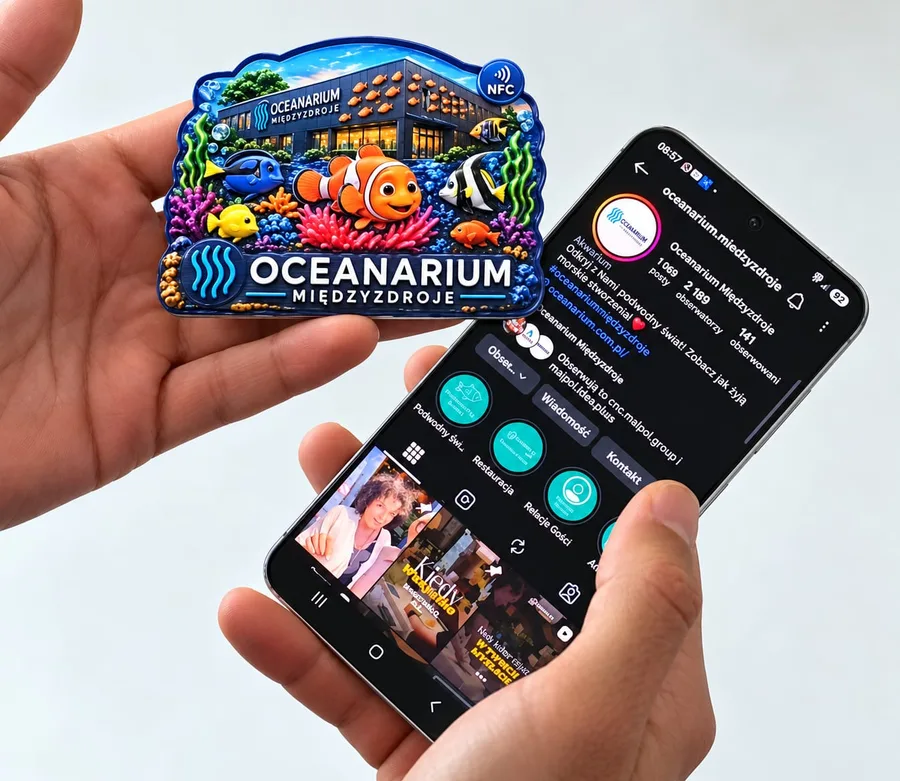
FOR ZOOS, OCEANARIUMS AND BOTANICAL GARDENS
We are a manufacturer of custom 3D magnets. If you run a place where visitors meet living animals or plants and you are looking for a souvenir for your point of sale, here is what we learned from such projects.
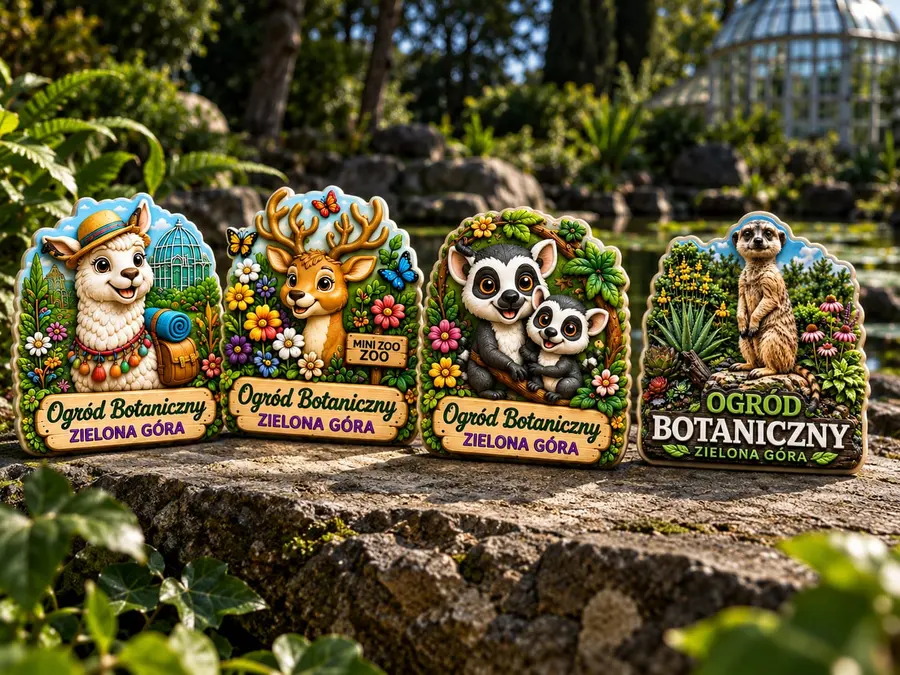
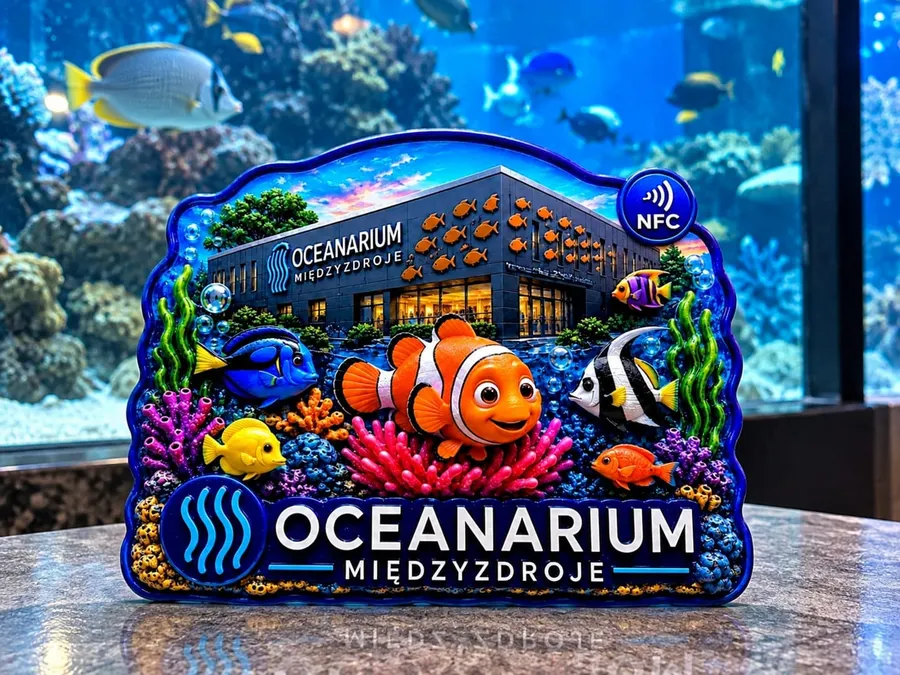
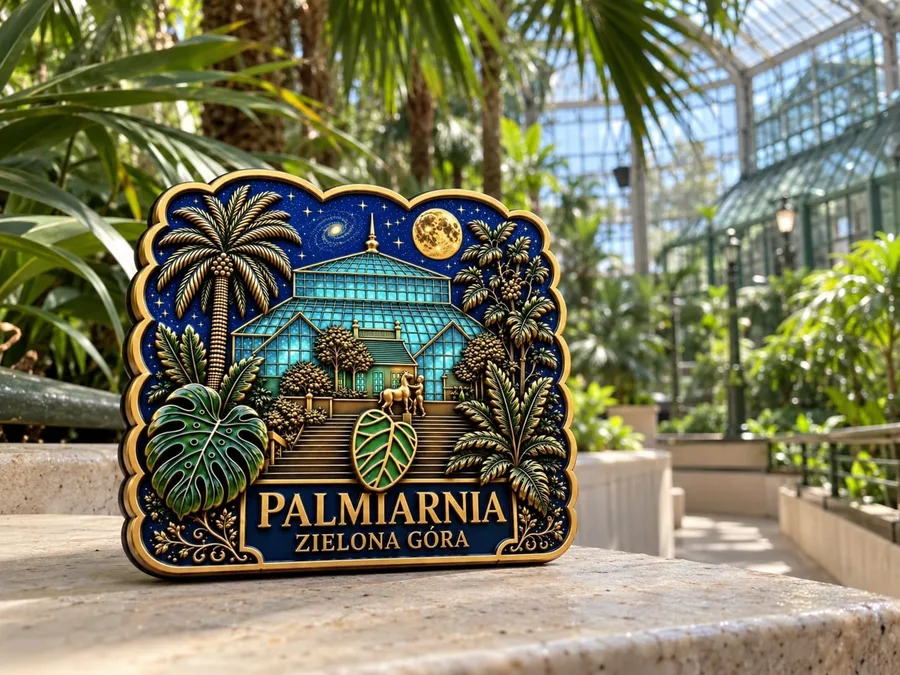
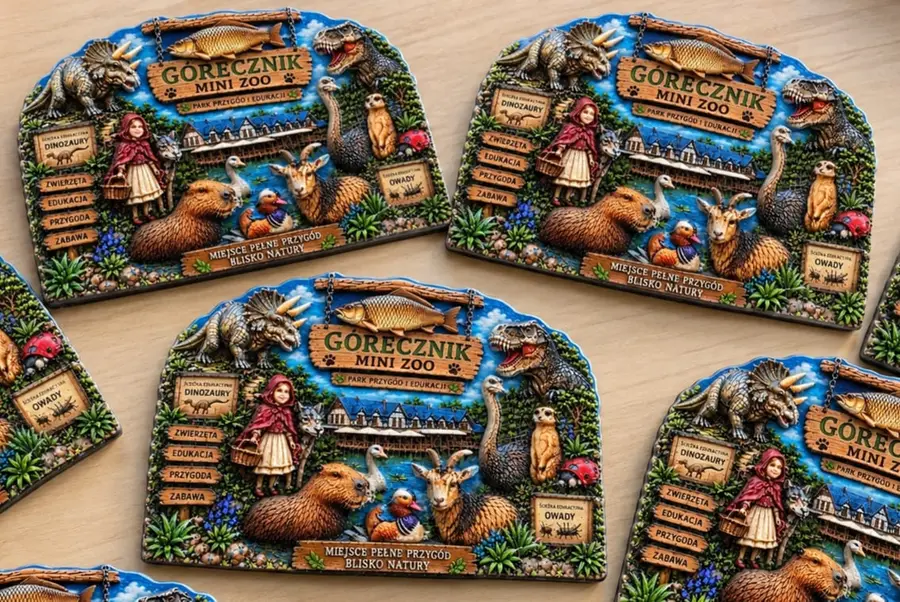
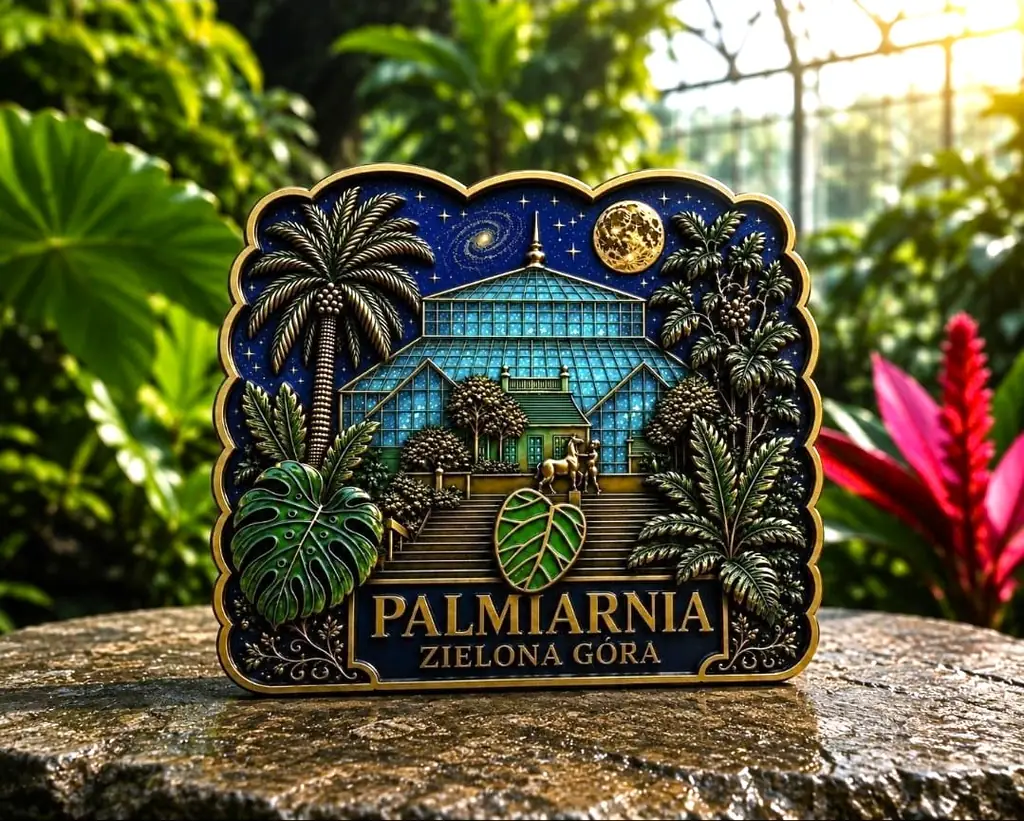
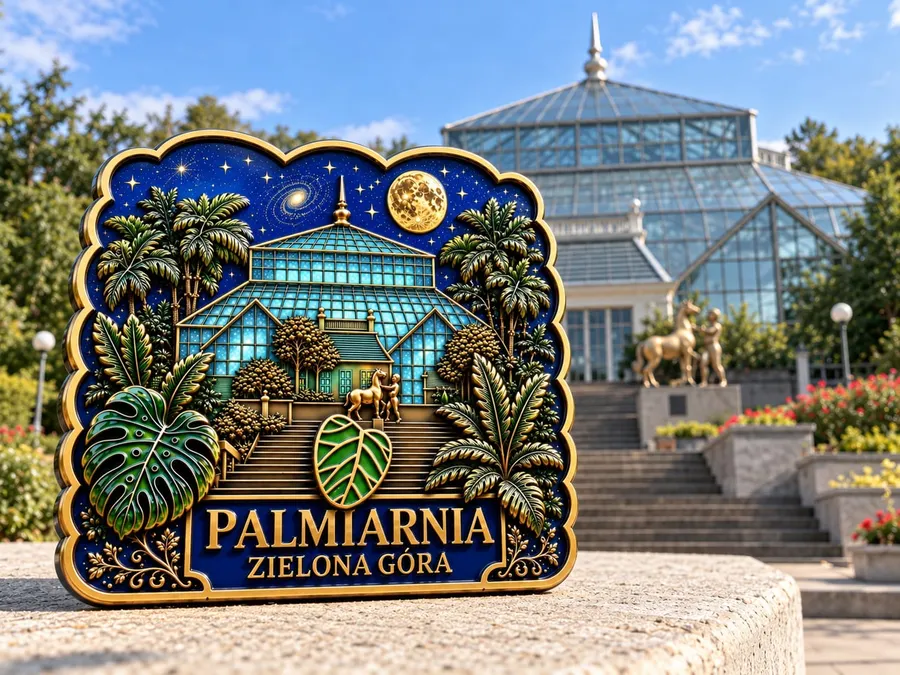
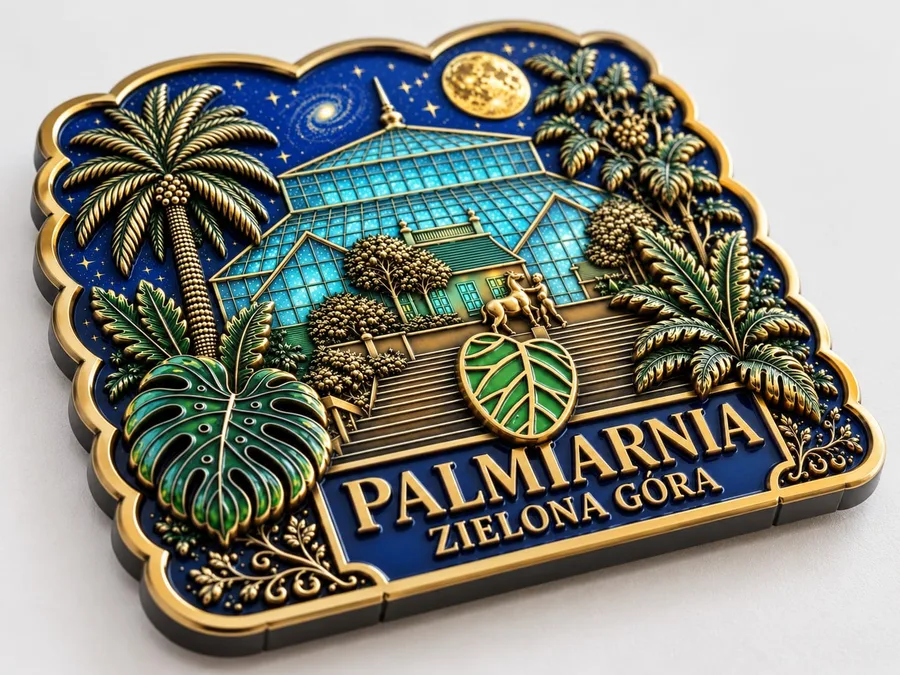
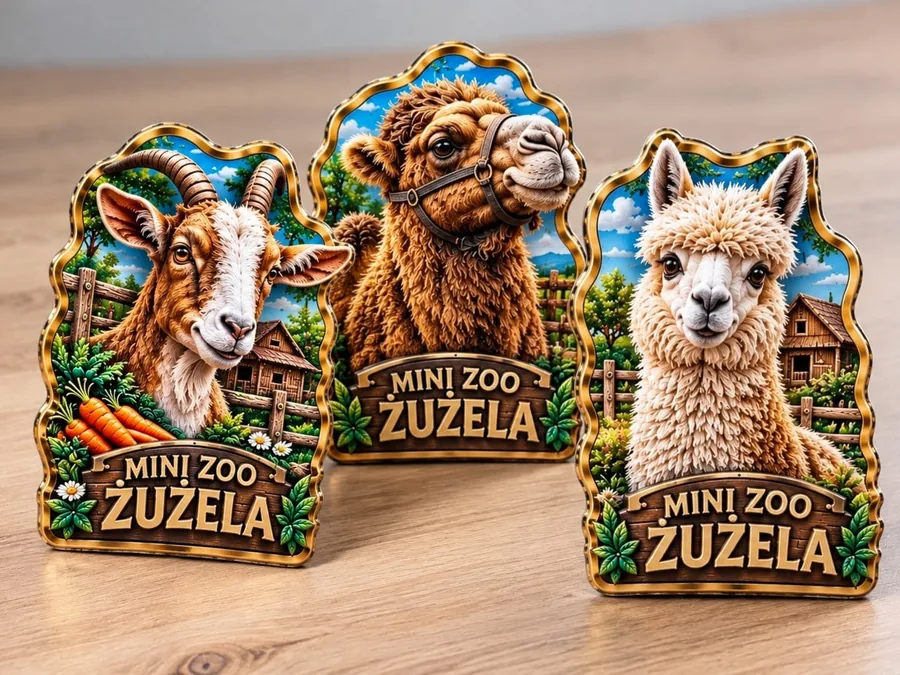
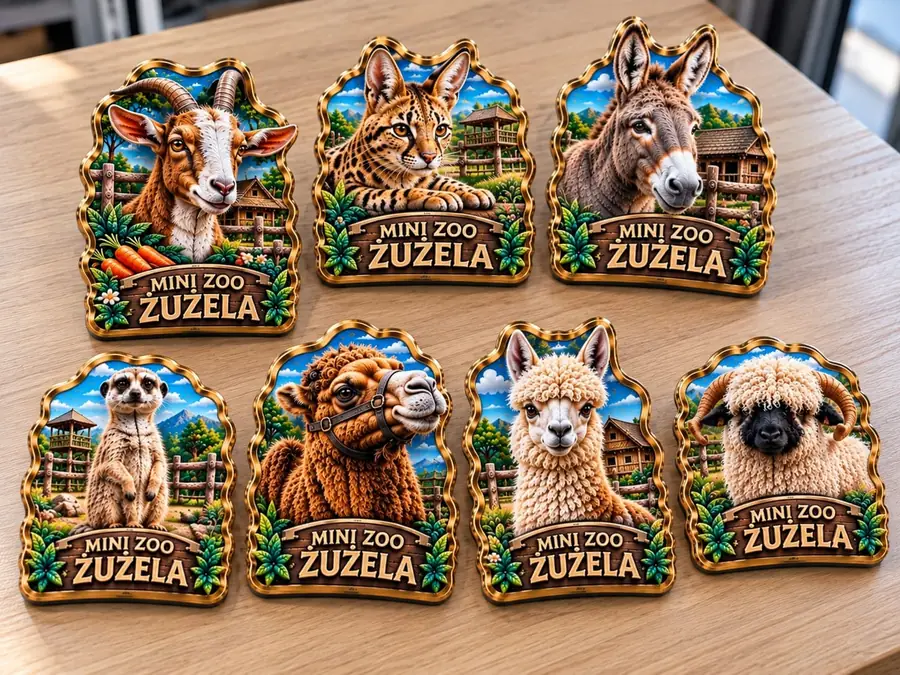
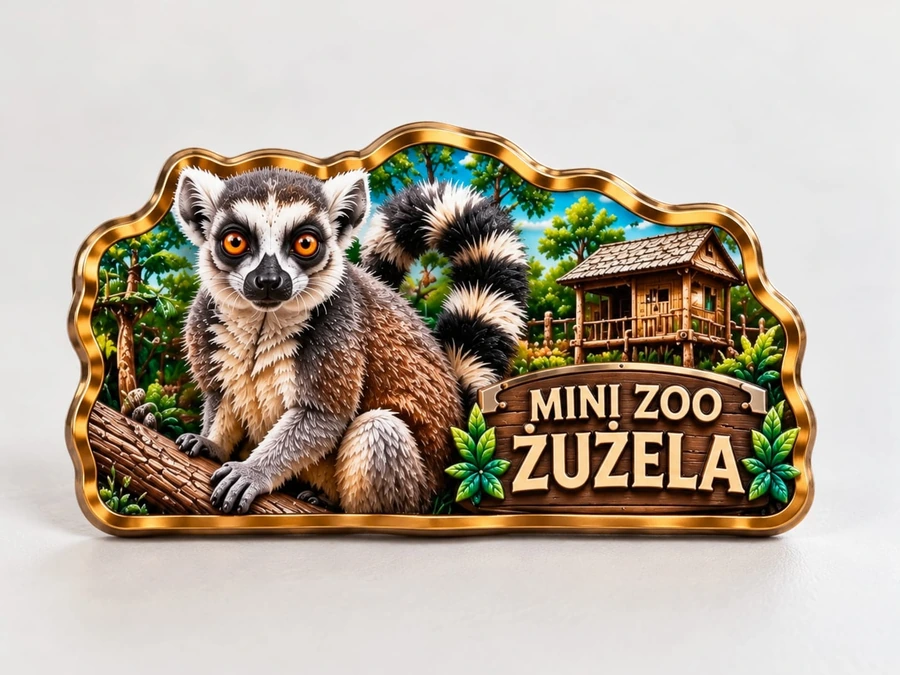
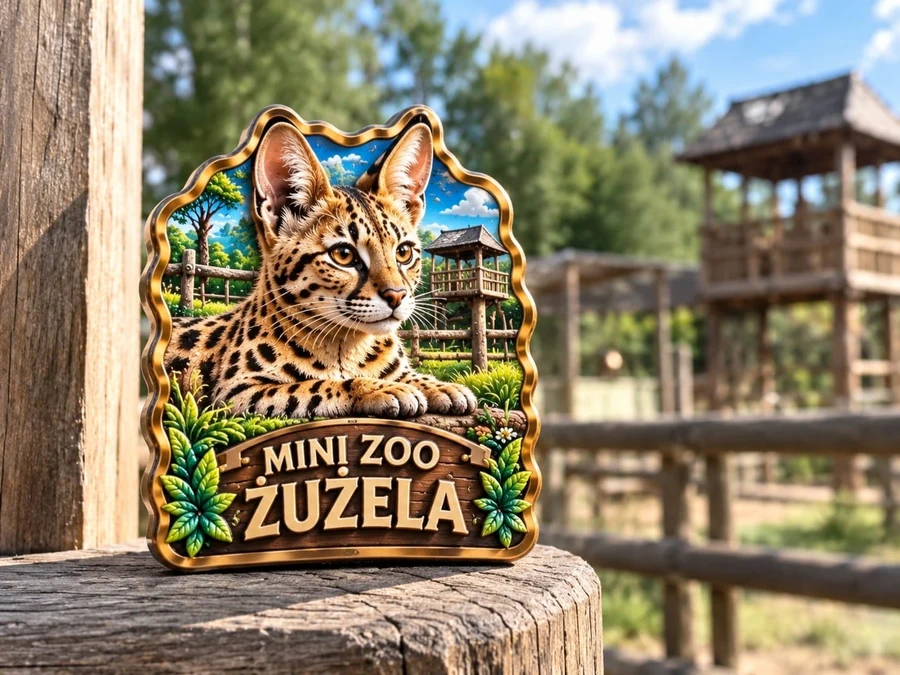
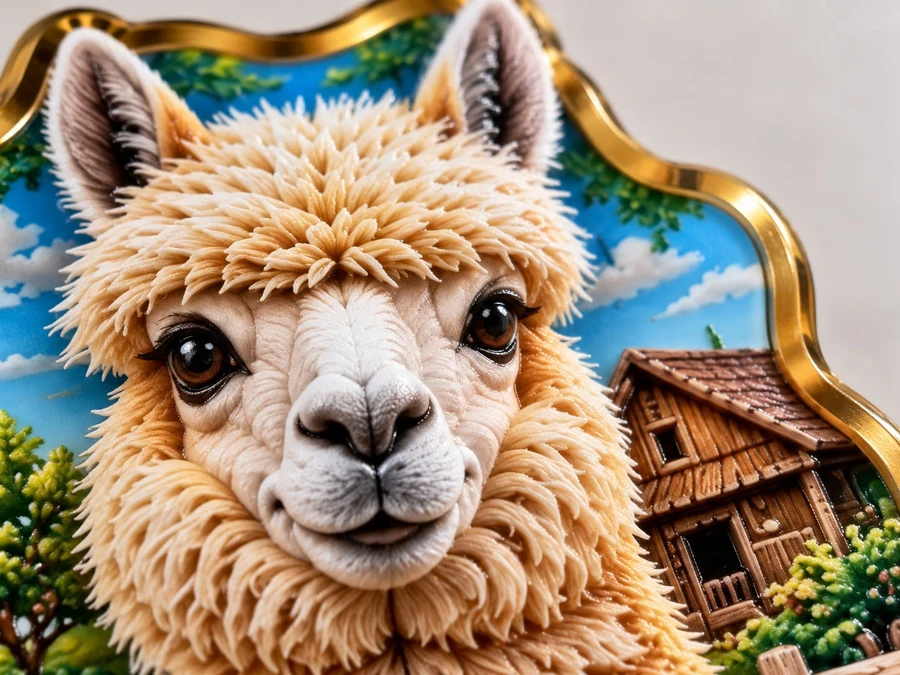
The technology itself - the relief, the UV print and how an order runs - is covered on the 3D UV magnets page. Projects for other kinds of sites are collected in our portfolio.
A souvenir from a castle, a town hall or an arena is built around a building - a shape that looks the same all year and that everyone recognises from a photograph. A site with living nature has no such anchor, and that changes almost everything in the work on a design.
A visitor leaves a botanical garden with the image of one particular plant or animal, not of the entrance gate. The same garden seen from above looks much like a garden in any other city. That is why our first question is not what the site looks like, but what visitors remember from it. The answer shapes the design more than anything else.
A nature attraction has a sharp peak and a long decline: spring school trips, the summer holidays, weekends with good weather. A shop stocked in the middle of the peak is stocked too late, and a design ordered after the season waits until the following spring for its first sale. This rhythm affects not only when you order, but also how many designs are worth having at once - the quiet season is the best moment to prepare something new, not to sell more.
In practice we rarely talk to one person. The shop manager knows what sells and what is missing from the shelf. The promotion team makes sure the souvenir matches the site identity. The education team checks whether the species is shown correctly - in a nature attraction this matters, because a souvenir with a wrongly drawn animal comes back to them as questions from visitors. Management approves the whole. A design that passes this path without corrections usually answered all four needs from the first sketch.
A few decisions come before the first sketch. None has a single right answer - they depend on what your shop looks like and who walks into it.
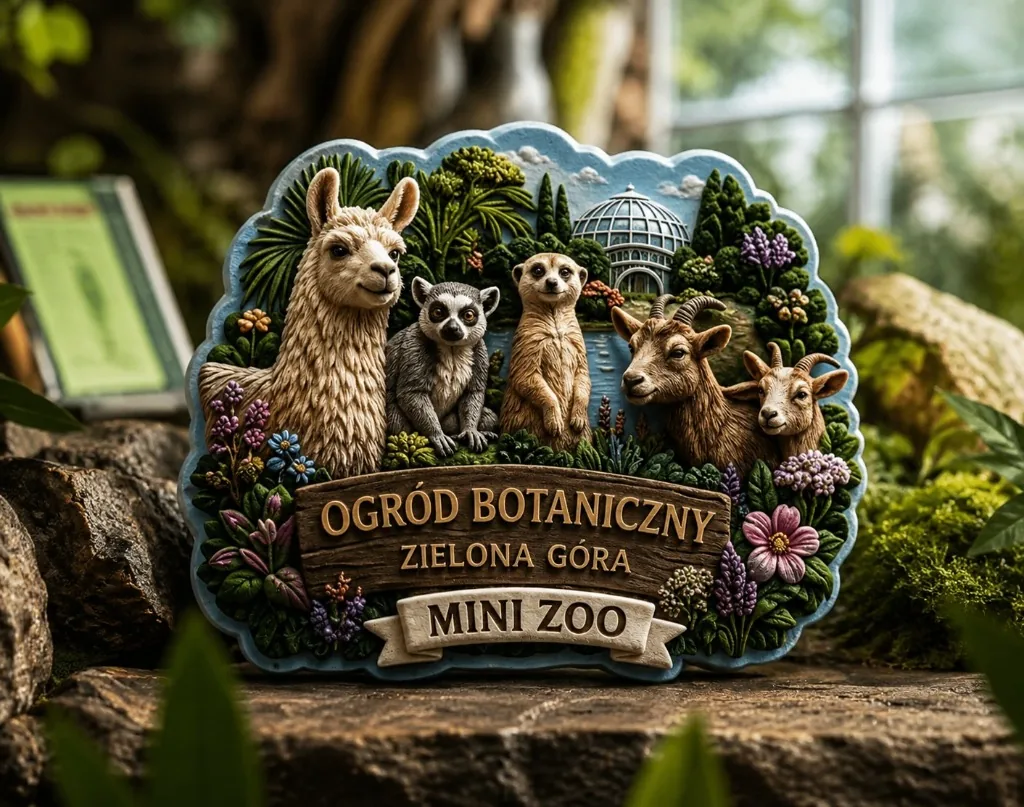
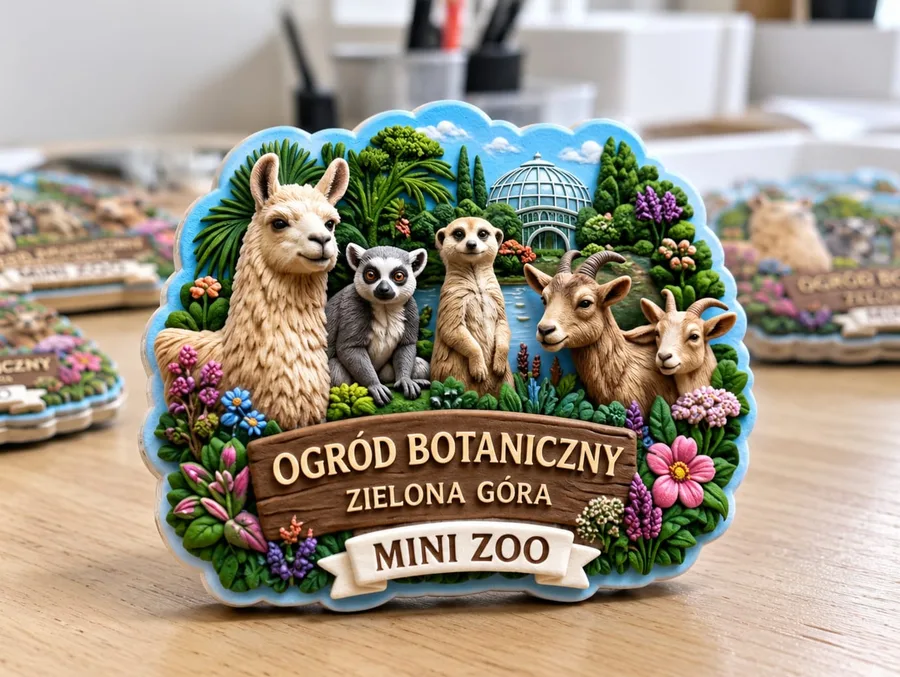
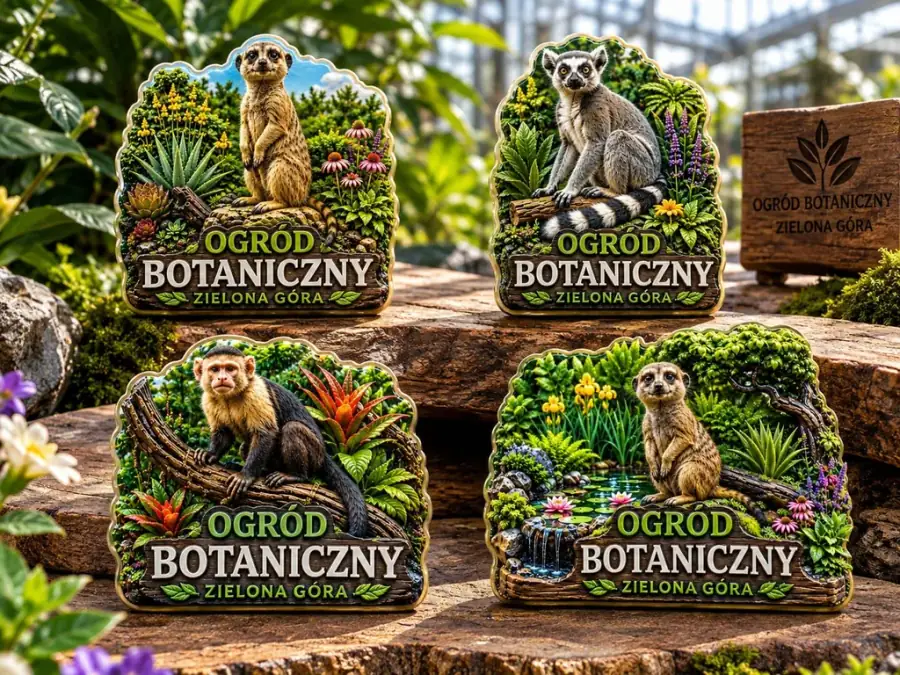
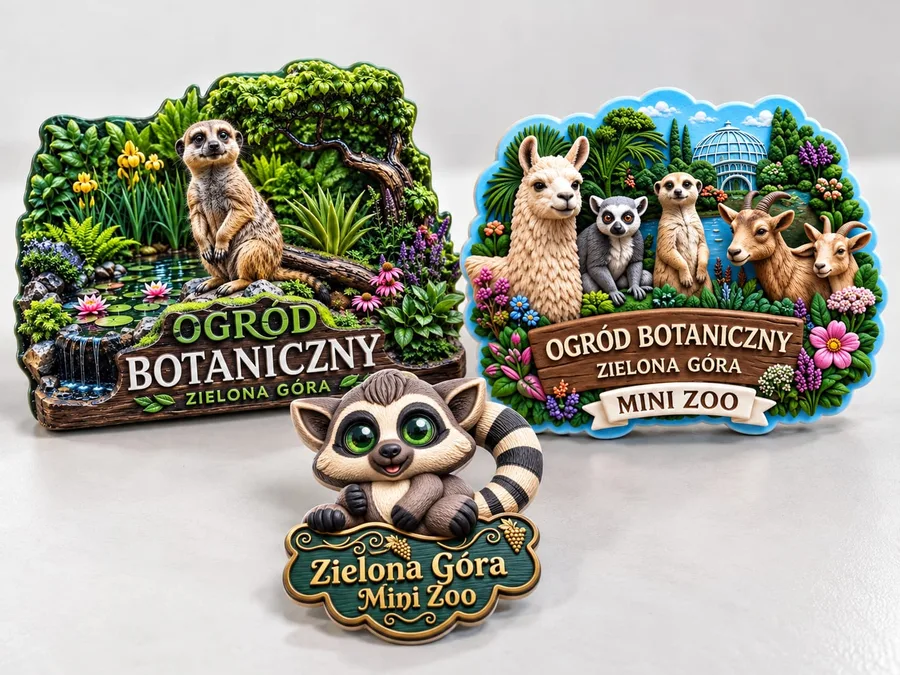
One design is simpler to handle: one place on the shelf, one stock level, one decision when reordering. A series takes more attention but changes how people buy. The sensible line runs where a site has several clear heroes - if visitors name three or four species, a series has something to stand on. If the site is associated with one thing, a single well-made design works better. How that looks in practice we show with the series of four designs for the Botanical Garden.
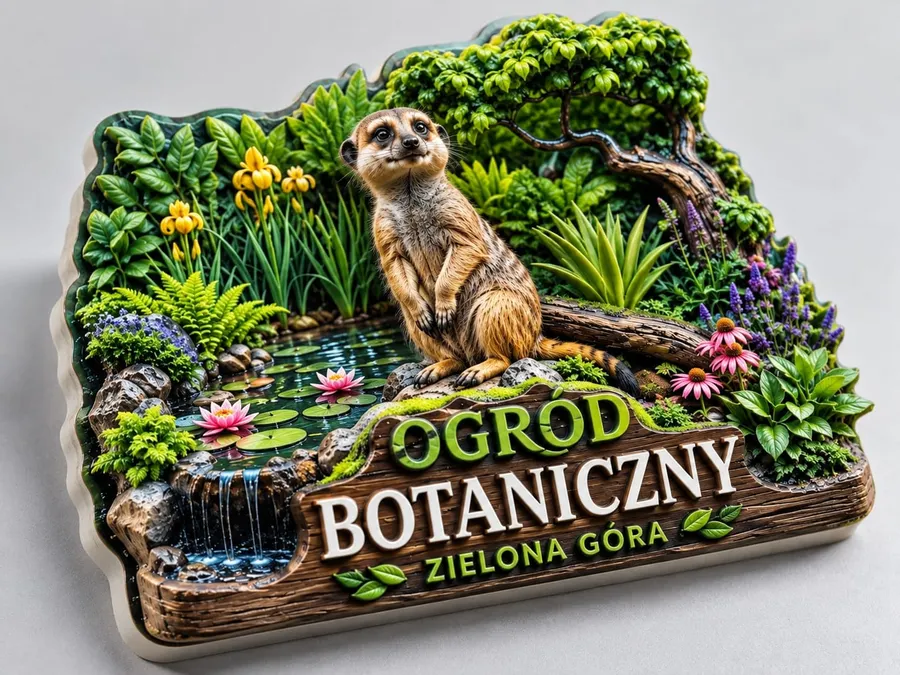
A general view has an advantage: it holds the name of the site and says at once where the souvenir comes from. It also has a drawback - the more it holds, the less of it is visible on a surface the size of a palm. A species works the other way round: it reads from a distance, but on its own it does not say where it was seen. The middle ground works best, with the hero in the foreground and the name of the site as part of the composition rather than a caption added at the bottom.
A year-round design works across many seasons and pays for itself best. An occasional one - an anniversary, the opening of a new pavilion, the arrival of a new animal - sells intensively and briefly, and then becomes a curiosity for people who collect souvenirs. Sites that do both usually keep a permanent series as the base and add a single design for the event.
If a site has its own mascot, it is tempting to make it the hero of the magnet. It is worth checking first whether the mascot is recognisable outside the site. Some live only on promotional materials and mean nothing specific to a visitor - a real animal then works better, and the mascot returns as the second design in a series.
Successive projects for zoos, gardens and oceanariums show things that a single commission does not reveal.
First, in none of them did the name or logo of the site become the hero of the design. The name is on every magnet and is legible in every case, but it always enters as part of the composition - a beam, a sign, an outline - never as the main subject.
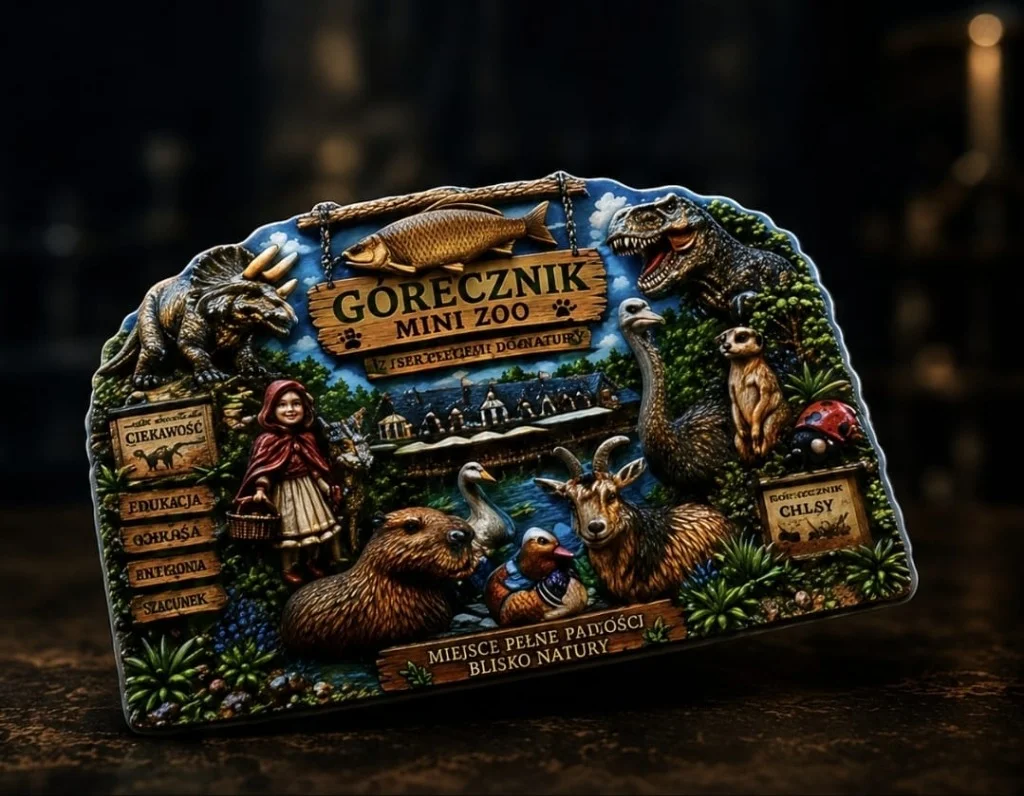
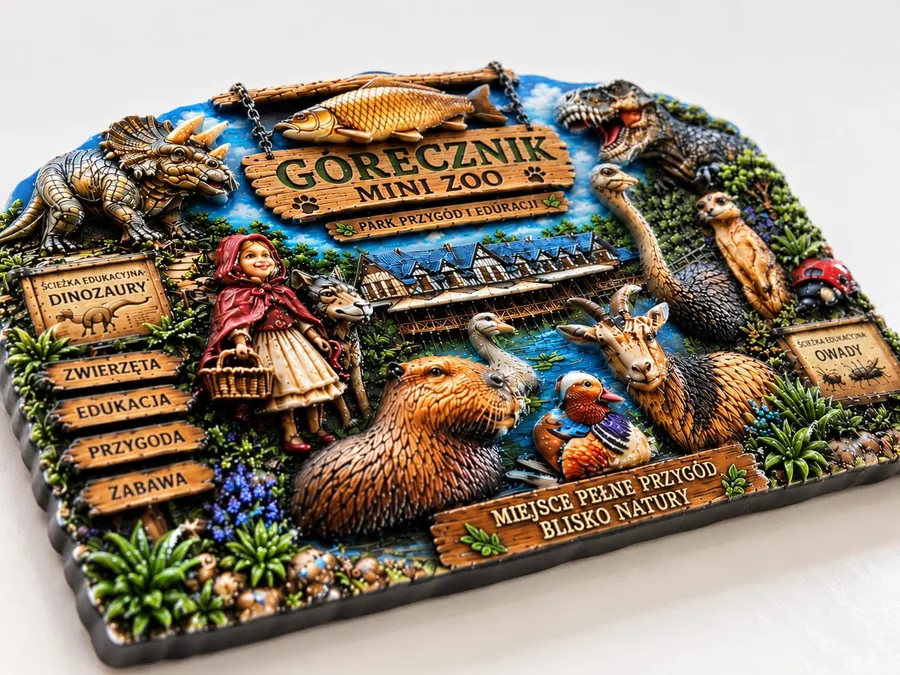
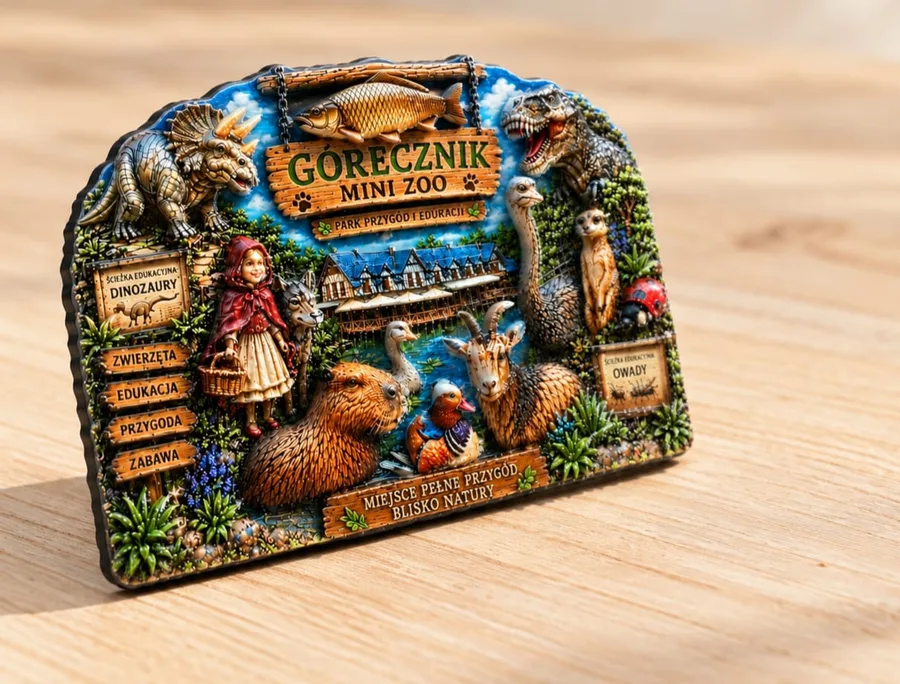
Second, almost all of them chose a motif that a visitor could have seen the same day: a particular animal or a particular corner of the grounds, not a symbol alluding to the theme.
Third, the same question about legibility from a distance came back every time. A magnet lies on a shelf or hangs on a stand and has about a second to catch the eye. That question always proved more important than the number of details that can be fitted in.
Each of these has a different shop, a different rhythm of the year and a different hero on the souvenir.
If you run a place that is not on this list and your visitors come to you for contact with nature, tell us what they photograph most often. Every design starts from that one piece of information.